Daily activities play a vital role in early childhood development. Well-planned activities for kids support learning through play while encouraging physical, cognitive, emotional, and social growth. In preschool and childcare settings, structured daily activities create consistency, improve engagement, and support positive learning outcomes.
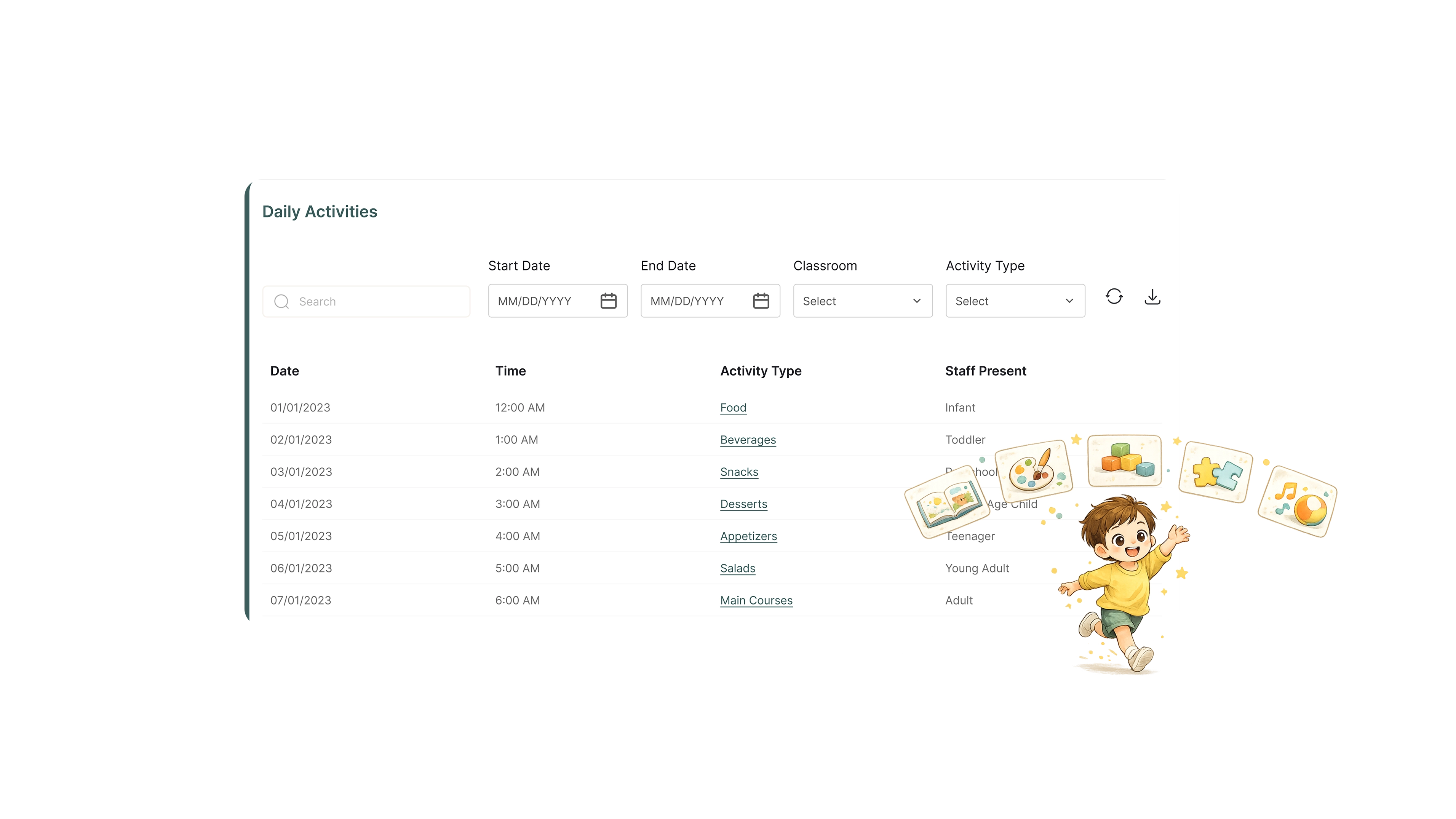

Daily activities are more than entertainment—they are essential learning tools. Preschool and childcare activities help children build routines, develop essential skills, and explore their environment in a safe, supportive setting.
Structured activity planning supports early learning while helping children build confidence, independence, and social awareness. Predictable routines also support emotional regulation and make it easier for educators to track progress and share updates with families.
Benefits of daily activities include:
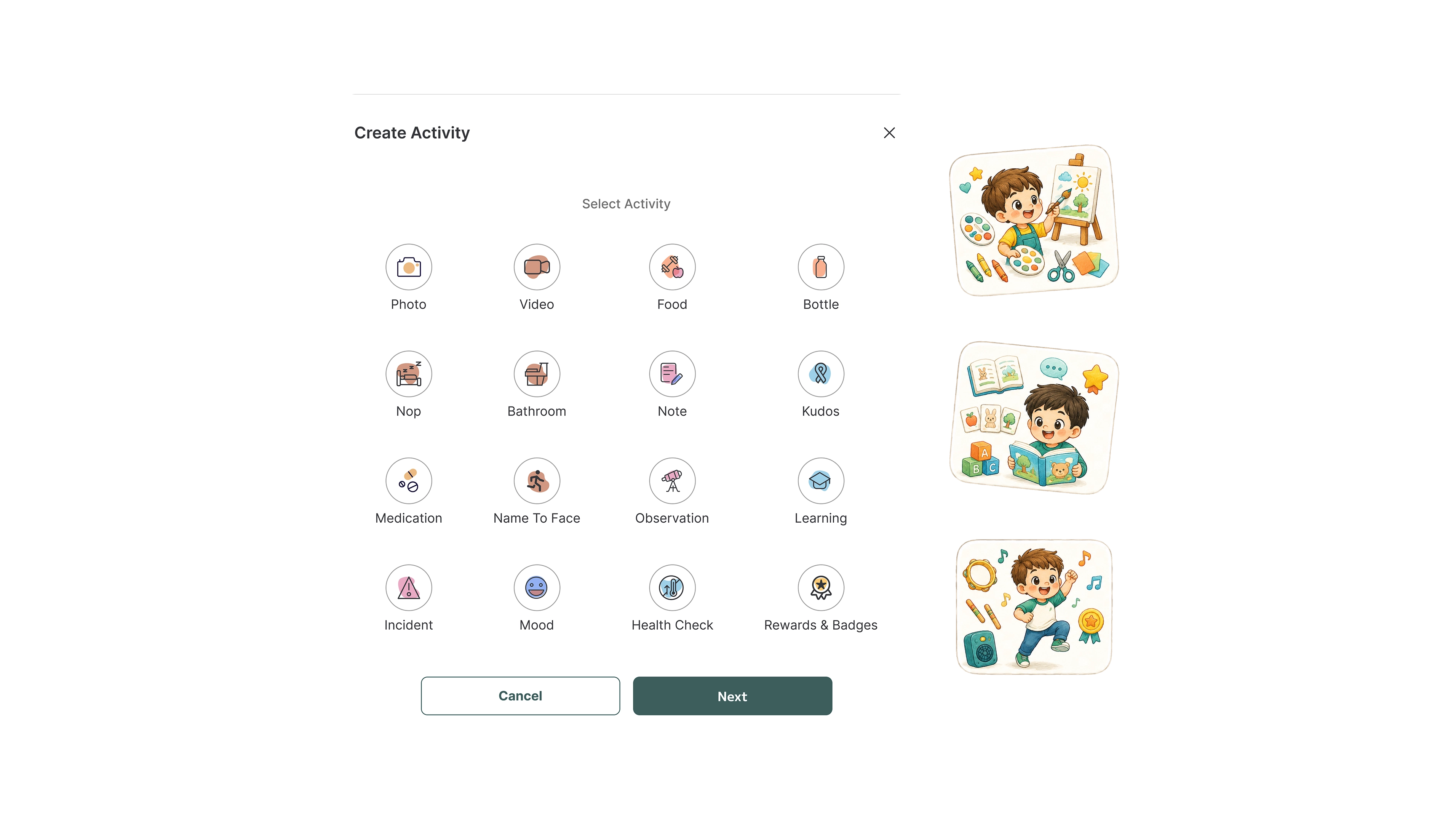
The most effective preschool activities balance fun with education. Educational activities for kids help develop language, creativity, and problem-solving skills while keeping children actively engaged throughout the day.
Educational activities include:
Well-planned educational activities support stronger engagement and smoother classroom routines.
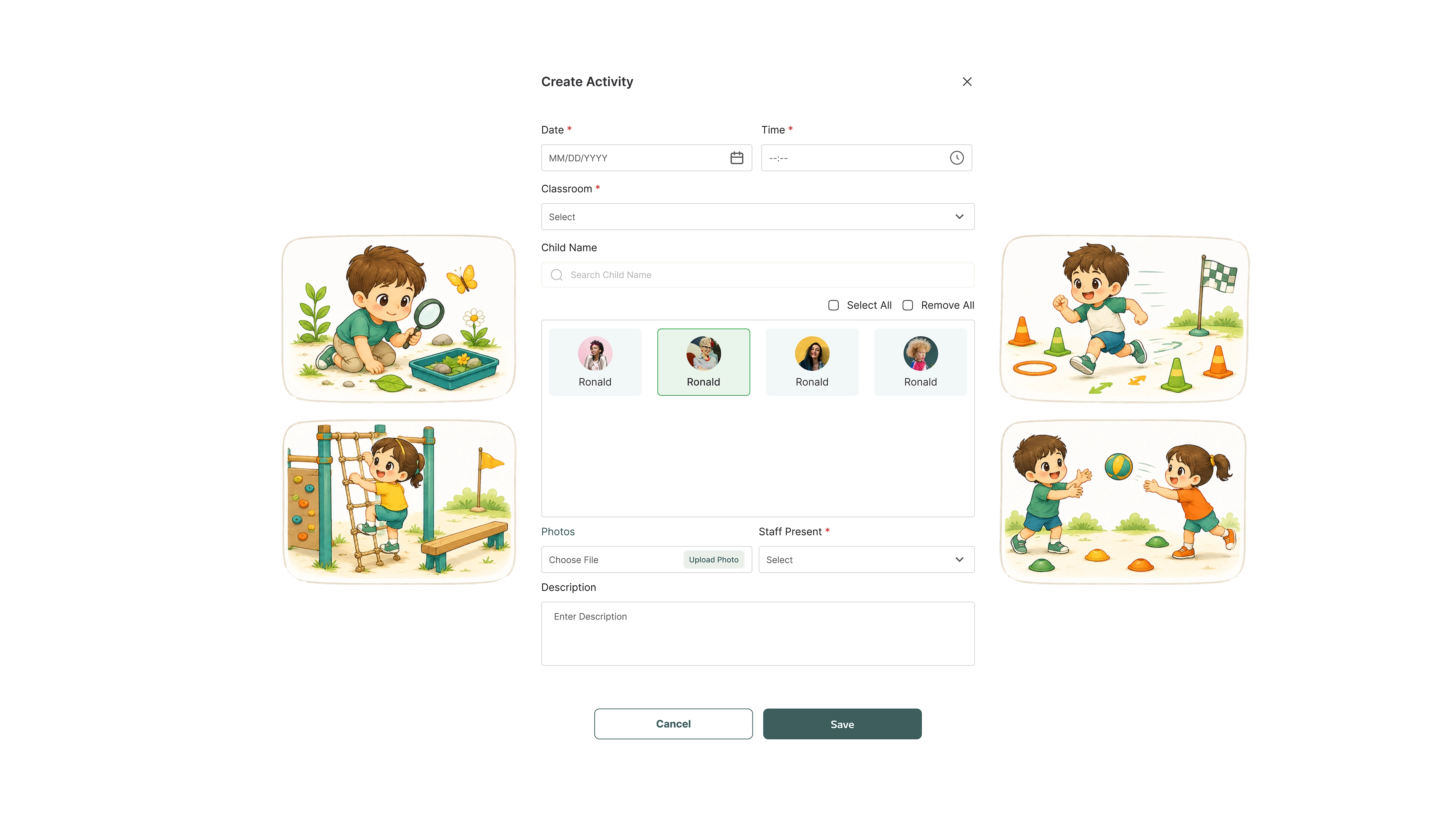
Outdoor activities are essential for physical development and overall well-being. Active play gives children opportunities to build strength, coordination, and endurance while enjoying social interaction.
Outdoor activities include:
Structured outdoor play supports teamwork, motor skills, and healthy daily routines.

Activity kits and learning tools help childcare educators plan and deliver consistent daily activities. These tools support hands-on learning and make activity planning more efficient across classrooms.
Learning tools support:
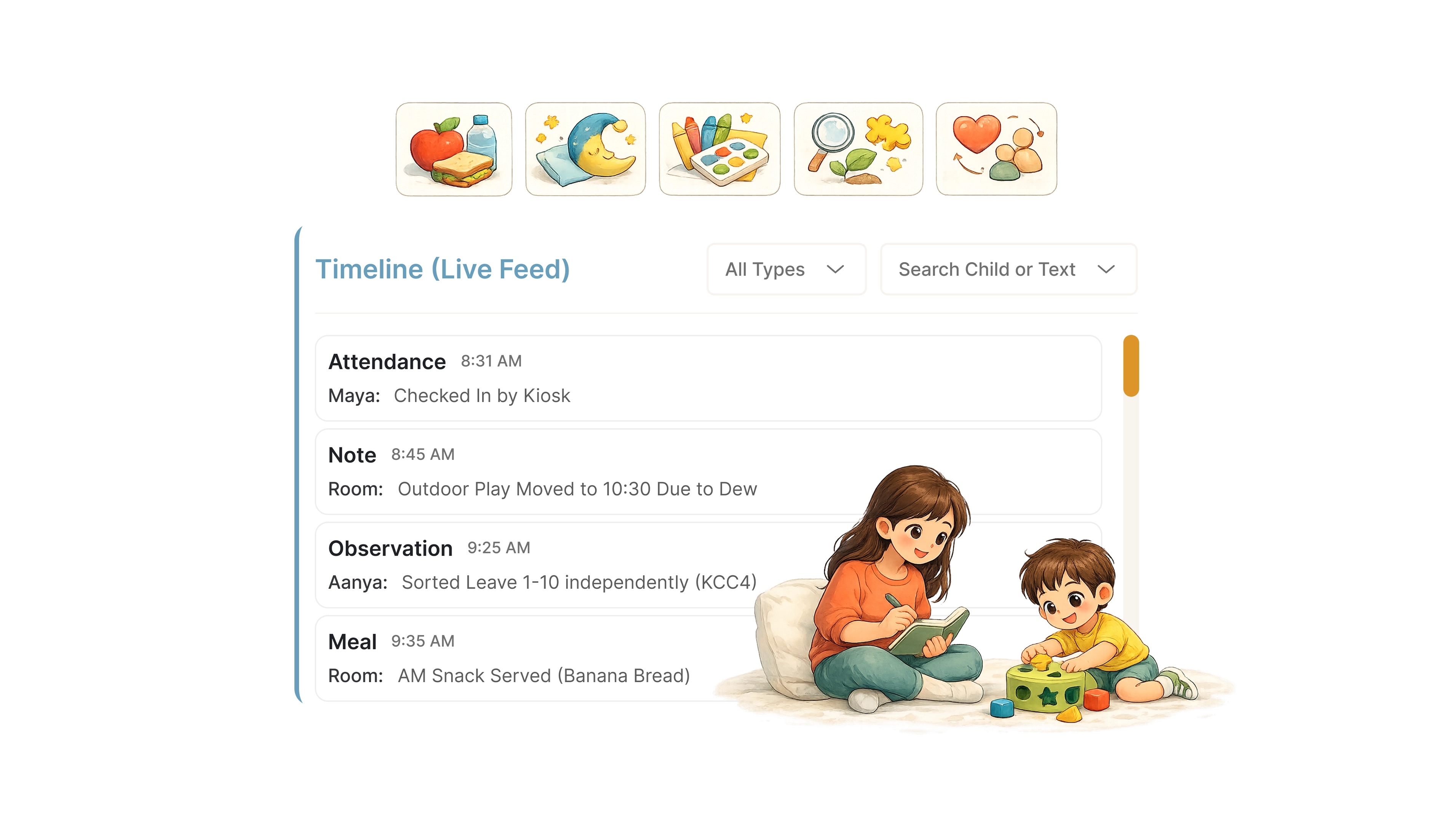
Modern childcare software helps programs track daily activities, document learning progress, and share updates with families. Activity tracking improves transparency and strengthens trust between educators and parents.
Activity tracking includes:
Clear reporting keeps families informed and reduces paperwork for your team.

Well-structured activities support all areas of child development. Daily learning experiences help children grow physically, emotionally, and socially in a balanced way.
Developmental benefits include:
Balanced daily activities help children build confidence, friendships, and foundational skills.

Selecting the right activities depends on age, developmental goals, and daily schedules. A balanced mix of educational, creative, and physical activities helps childcare programs deliver high-quality early learning experiences.
By combining fun daily activities for kids with structured planning and activity tracking tools, childcare programs can improve learning outcomes, strengthen parent communication, and support long-term child development.
A balanced approach includes: