ChildEra logo

Compelling Case Study Examples: Best Practices and Approaches

If you run a daycare or preschool, well-written case study examples can clearly demonstrate how your center solved real operational challenges and achieved measurable success. Strong case study best practices help transform everyday improvements — like better parent communication or automated billing — into persuasive, trust-building stories.

This guide explains how to write a compelling case study, how to structure your narrative, and how to highlight results using modern childcare software and digital automation.
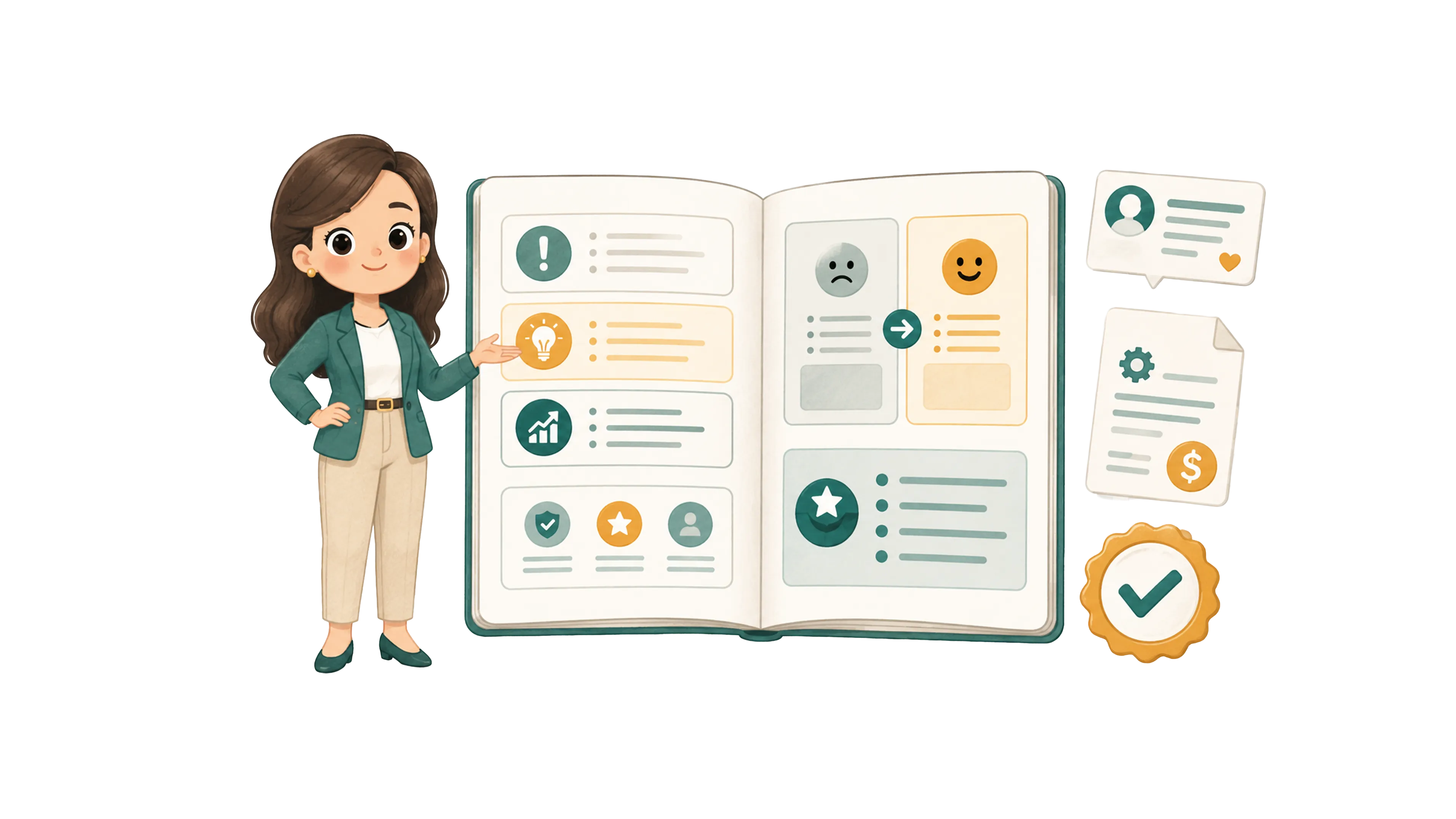
Compelling case study examples for childcare centers — best practices and approaches

What Is a Childcare Case Study and Why Does It Matter?

A childcare case study is a structured success story showing how a daycare, preschool, or child care center improved a measurable outcome through a specific approach.

Effective case study examples typically include:

  • A clear challenge
  • A specific customer request
  • A practical solution or approach
  • Quantifiable results

Childcare centers often use case studies to build credibility, support marketing efforts, and show proof of performance improvements driven by childcare management software or operational changes.

Operational & Management Improvements

  • Increase classroom efficiency
  • Improve staff workflows
  • Reduce manual paperwork
  • Strengthen compliance processes
Operational and management improvement goals for childcare case studies

Parent Communication Enhancements

  • Faster updates to families
  • Consistent daily reports
  • Fewer missed messages
  • Improved parent engagement
Parent communication platform and messaging enhancements for childcare case studies

Where Case Studies Deliver the Most Value

Well-designed business case study examples work best in high-trust, decision-driven environments:

High-trust, decision-driven environments

  • Dedicated Case Studies pages
  • Sales and enrollment conversations
  • Multi-location childcare groups
  • Marketing and lead nurturing campaigns

Strong studies help answer buyer questions with proof rather than promises.

Case study framework best practices and recommended structure

Case Study Framework: Best Practices and Approaches

Using a consistent structure is one of the most important case study best practices. A clear framework improves readability and ensures your study highlights outcomes rather than just features.

Recommended Case Study Structure

  1. Context — Describe the center type, classrooms, staff size, and location.
  2. Challenge — Explain the operational or communication problem.
  3. Request — Highlight the customer's specific need.
  4. Approach — Explain the chosen solution and reasoning.
  5. Implementation — Describe rollout, training, or adoption steps.
  6. Results — Present measurable improvements.
  7. Next Steps — Mention scaling, expansion, or optimization.

Short Case Study Story Format (Example)

“A childcare center managing three classrooms struggled with manual attendance tracking and inconsistent parent communication. After requesting a digital solution, the center implemented childcare management software to automate check-ins and daily updates. Within 30 days, administrative workload decreased, communication improved, and staff efficiency increased.”

This format aligns with high-performing best case study examples seen across business and SaaS industries.

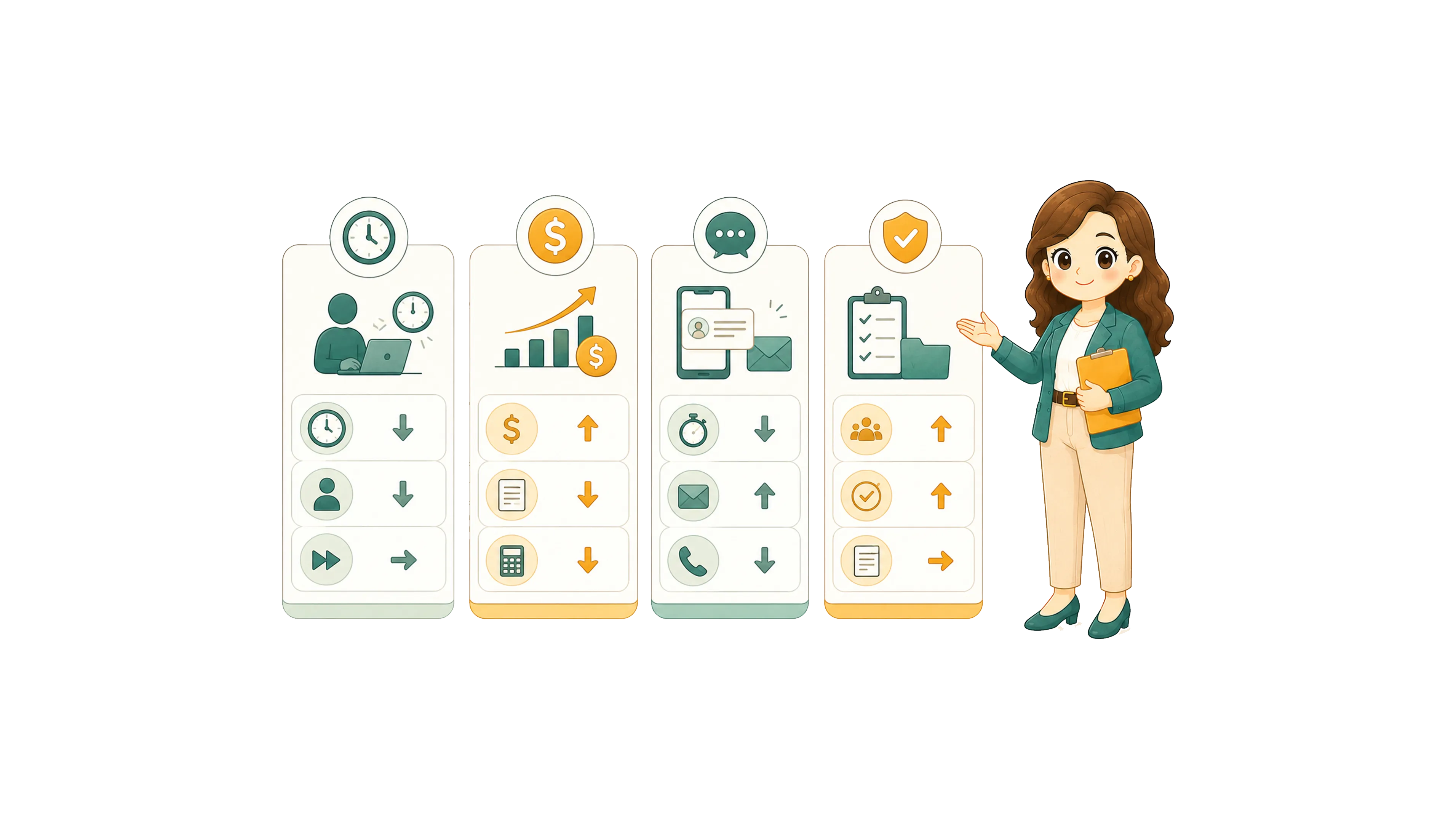
Metrics That Strengthen Case Study Examples

Compelling marketing case study examples rely on measurable results. Even simple operational improvements can be powerful when quantified.

High-Impact Metrics to Include

Time & Efficiency

  • Minutes saved per day
  • Admin hours reduced
  • Faster workflows

Billing & Revenue

  • Increase in on-time payments
  • Reduction in overdue invoices
  • Fewer billing errors

Communication & Engagement

  • Response times
  • Daily report open rates
  • Reduced call volume

Consistency & Compliance

  • Process adoption rates
  • Checklist completion
  • Documentation speed
Metrics that strengthen marketing case study examples

Best Practice: Match metrics to your reader — owners care about revenue, directors care about compliance, teachers care about time savings.

Compelling Case Study Examples for Childcare Centers

Below are adaptable case study examples designed around common childcare challenges.

Case Study Example 1: Attendance & Classroom Management

Context:
A single-location daycare with five classrooms experienced inconsistent attendance tracking.
Challenge:
Manual logs caused reporting errors and delayed classroom updates.
Request:
“We need to automate attendance and reduce administrative effort.”
Approach:
Implemented childcare management software with digital check-in and classroom dashboards.
Results:
  • Admin time reduced by 45 minutes daily
  • Attendance errors decreased by 70%
  • Parent communication improved
Attendance and check-in check-out in ChildEra — supporting classroom management case studies

Case Study Example 2: Billing & Payment Automation

Context:
A childcare center struggled with late payments and manual invoicing.
Challenge:
Payment follow-ups consumed hours weekly.
Request:
“We want digital invoices and automated reminders.”
Approach:
Deployed childcare software with automated billing workflows.
Results:
  • On-time payments increased by 28%
  • Overdue invoices reduced by 35%
  • Billing workload significantly reduced
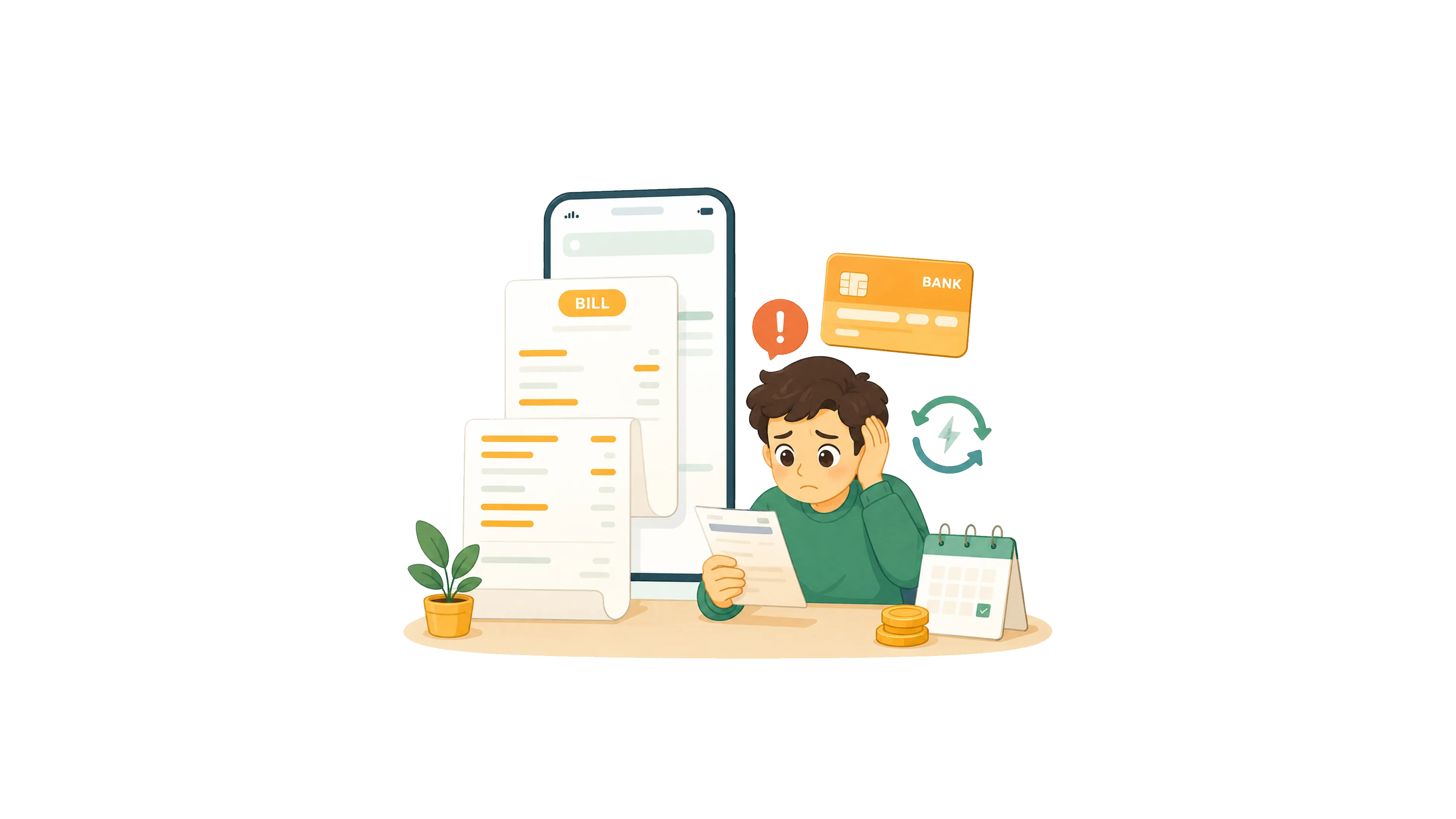
Billing and subscription support in ChildEra — supporting payment automation case studies

Case Study Example 3: Multi-Location Standardization

Context:
A childcare group operating across three locations lacked process consistency.
Challenge:
Different workflows created reporting and communication gaps.
Request:
“Help us standardize operations across locations.”
Approach:
Rolled out unified digital checklists and reporting dashboards.
Results:
  • Checklist completion reached 92%
  • Management visibility improved
  • Parent experience standardized
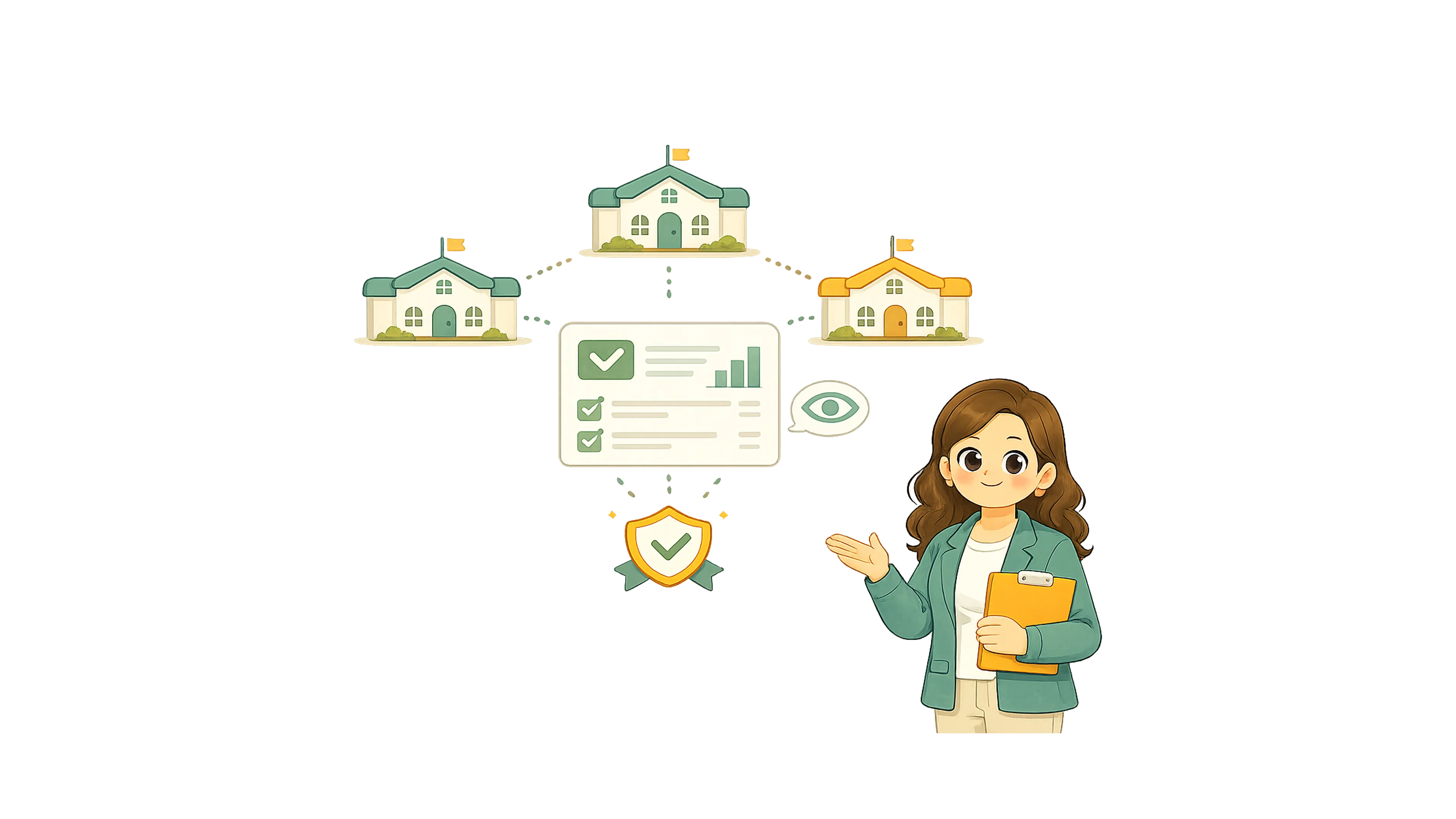
Parent portal and family support in ChildEra — supporting multi-location and family experience case studies

Case Study Example 4: Digital Paperwork & Enrollment

Context:
A preschool faced delays due to paper-based onboarding.
Challenge:
Missing forms slowed enrollment.
Request:
“We need digital forms and automated reminders.”
Approach:
Introduced digital paperwork automation via a childcare app.
Results:
  • Form completion increased by 40%
  • Fewer missing records
  • Faster onboarding
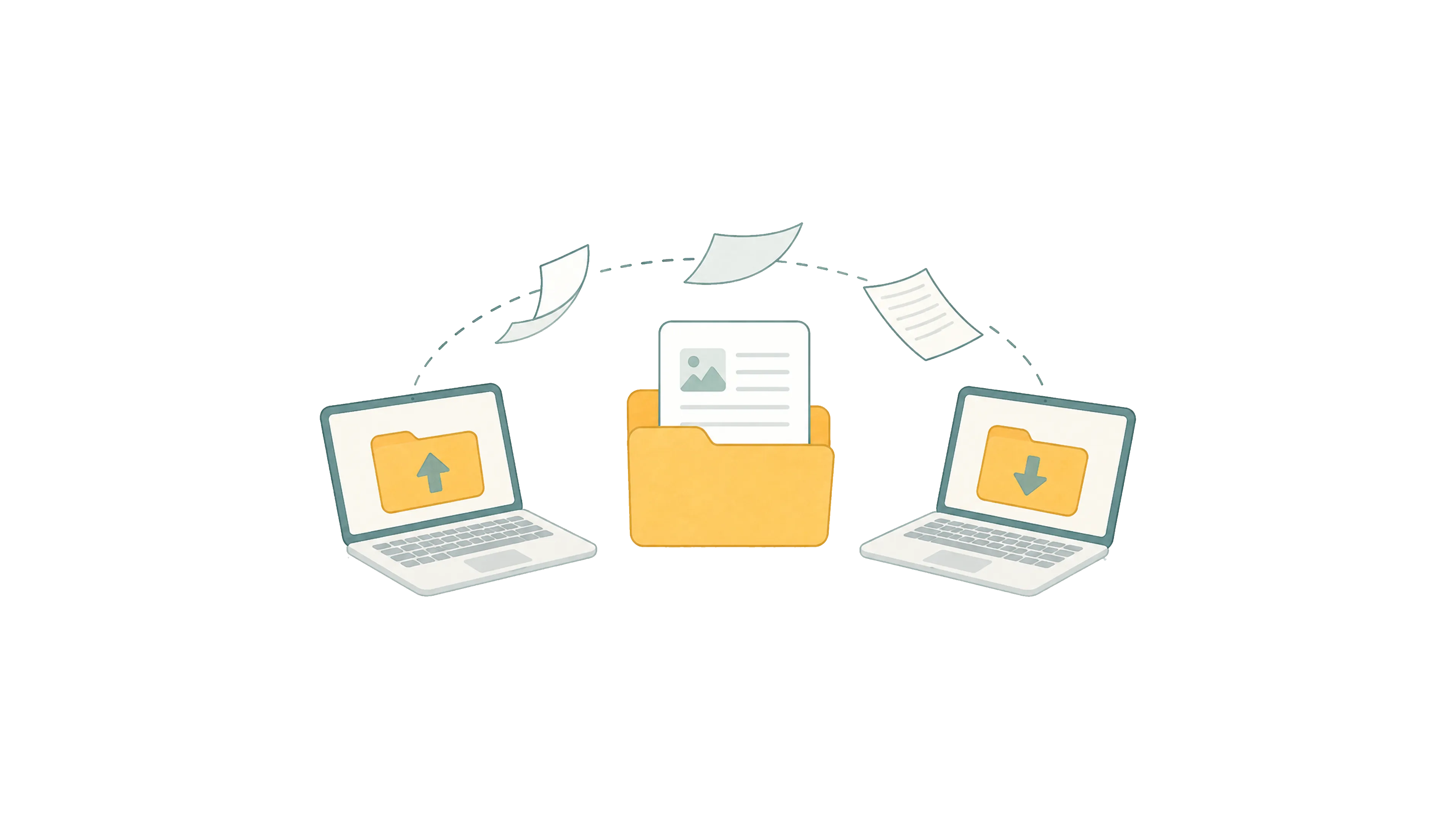
Account and personal information support in ChildEra — supporting enrollment and paperwork case studies

Best Practices for Writing Effective Case Studies

Following proven case study best practices improves both credibility and SEO performance.

What High-Performing Case Studies Include

  • Specific context and challenges
  • Clear customer request
  • Practical solution description
  • Quantifiable success metrics
  • Parent communication improvements

Common Case Study Mistakes to Avoid

  • Long stories without numbers
  • Feature-heavy, outcome-light writing
  • Missing before-and-after comparisons
  • Ignoring parent experience impact

Remember: Readers search for case study examples, not product brochures.

FAQ: Case Studies for Childcare Centers

Tell Your Center's Story with ChildEra

Use ChildEra to capture the outcomes that make your next case study credible — from attendance and billing to parent communication and compliance.