ChildEra logo

Best Preschools & Daycare for Early Childhood Education

Choosing the right preschool is an important decision for every family. With many preschool programs and daycare options available, it can be challenging to understand which early childhood education setting best supports learning, development, and daily routines.

The best preschools combine structured early learning, safe childcare practices, and age-appropriate education that helps children build confidence and prepare for kindergarten. This guide helps families explore preschool programs, compare childcare and daycare options, and understand different early learning approaches.

Running a preschool? See how ChildEra supports programs and families.
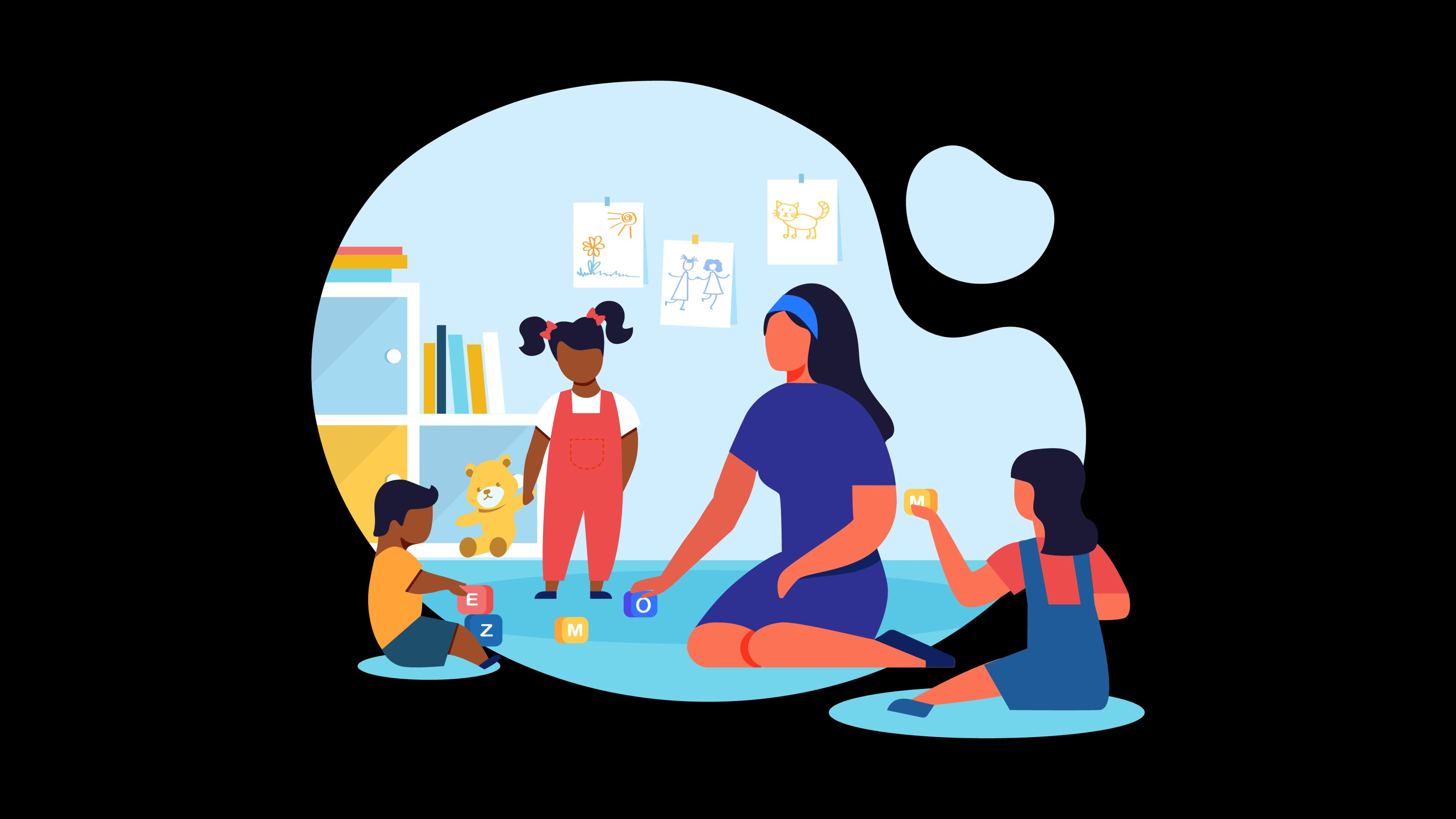
Best preschools and daycare for early childhood education
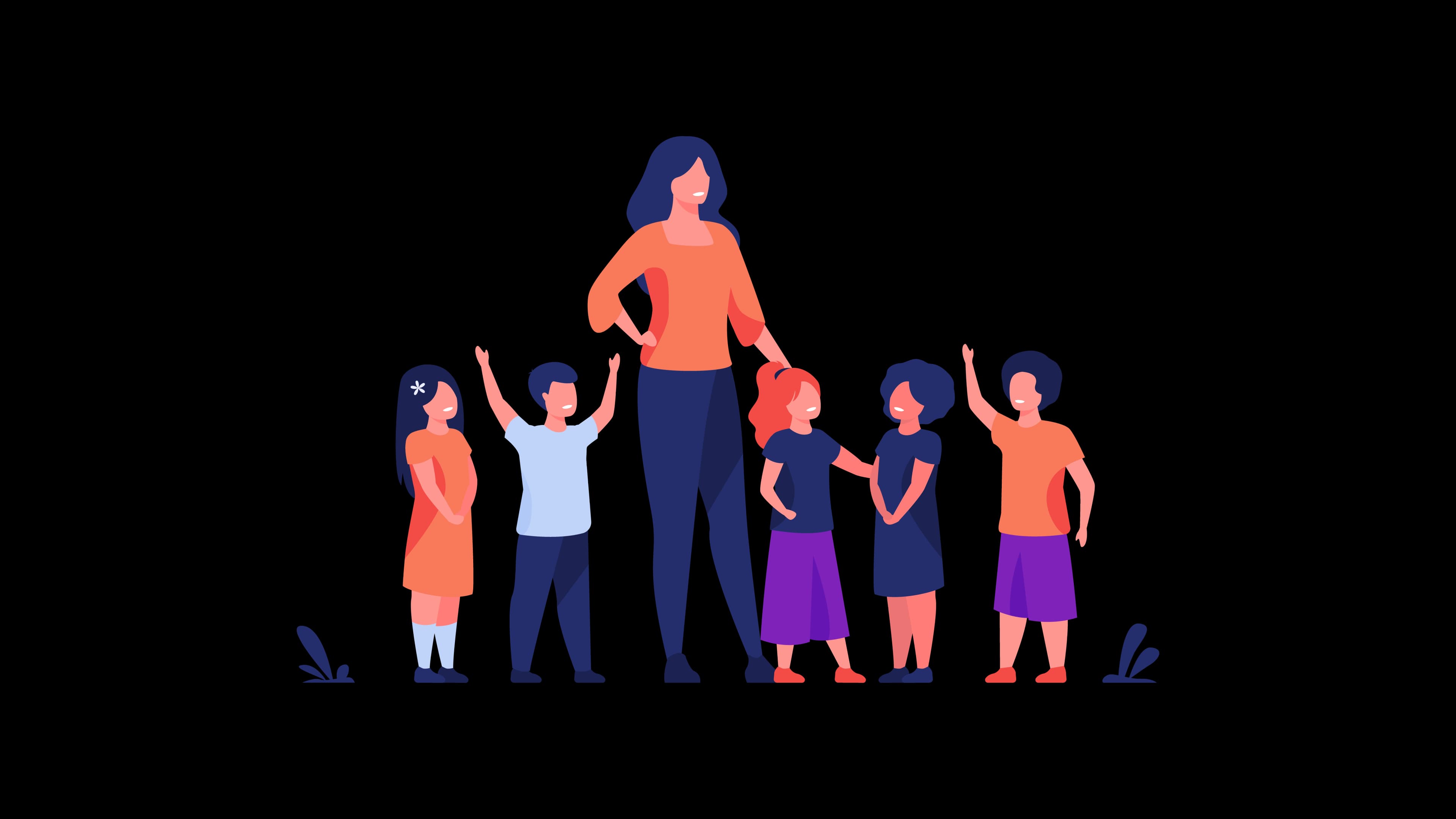
Young children learning together in a preschool classroom

What Are Preschools?

Preschools are early childhood education programs designed for young children, typically between the ages of three and five. A preschool program focuses on learning through play, social interaction, and guided instruction to support cognitive, emotional, and social development. Many families evaluate preschools alongside daycare and childcare programs based on learning goals, schedules, and developmental needs.

Preschool Programs & Early Learning

A high-quality preschool program supports early learning by developing language skills, problem-solving abilities, and social confidence. Preschool education introduces routines and structured activities that help children transition smoothly into kindergarten.

Structured preschool curriculum

Most preschools follow a structured daily routine that blends:

  • Guided learning activities
  • Hands-on exploration
  • Story time, music, and movement
  • Play-based learning experiences

This balance supports both education and creativity.

Early learning & child development

Early learning plays a critical role in brain development and emotional growth. Preschool education helps children learn how to follow routines, communicate effectively, collaborate with peers, and develop a positive attitude toward learning.
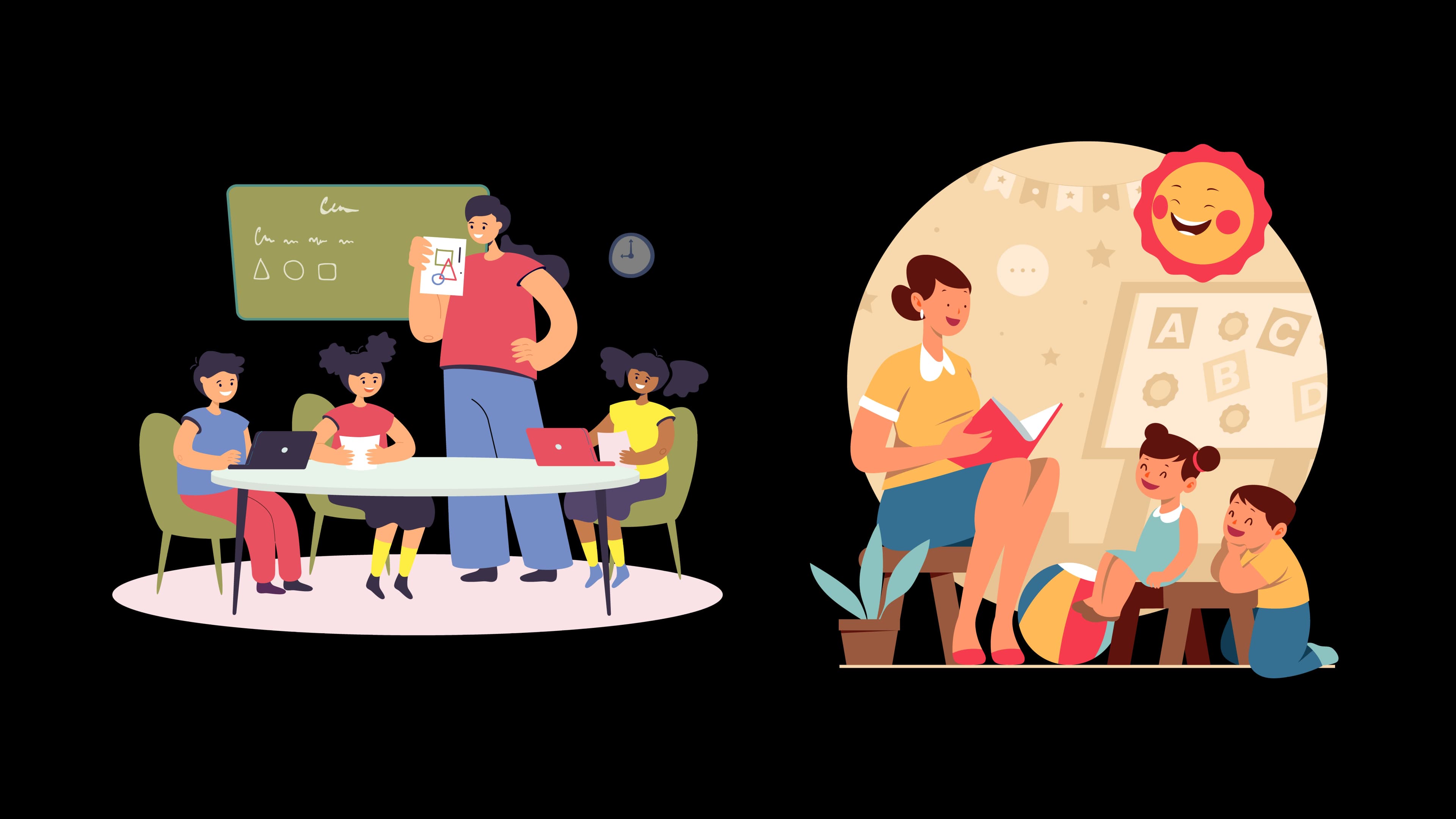
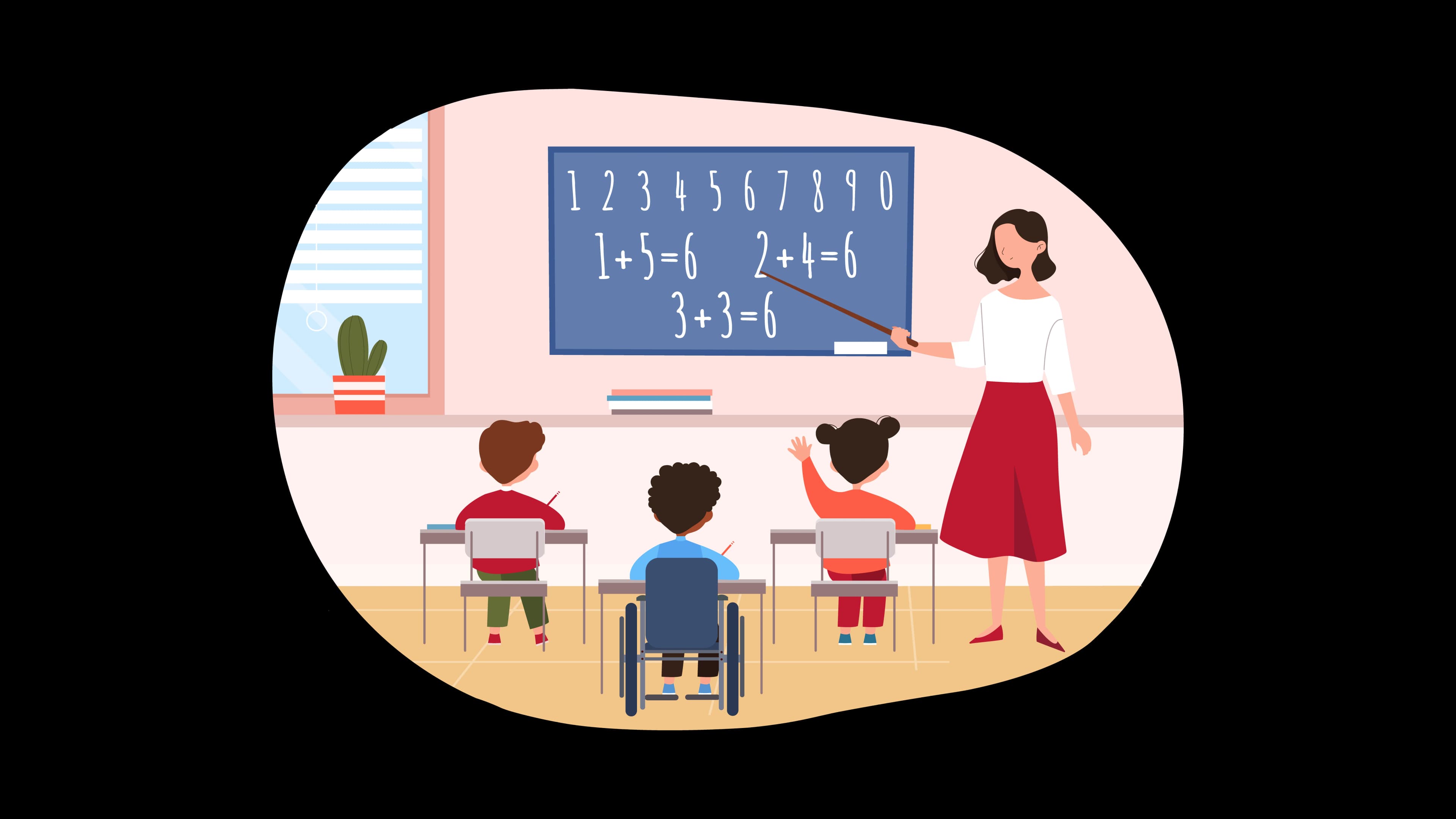
Early learning and child development in a preschool setting
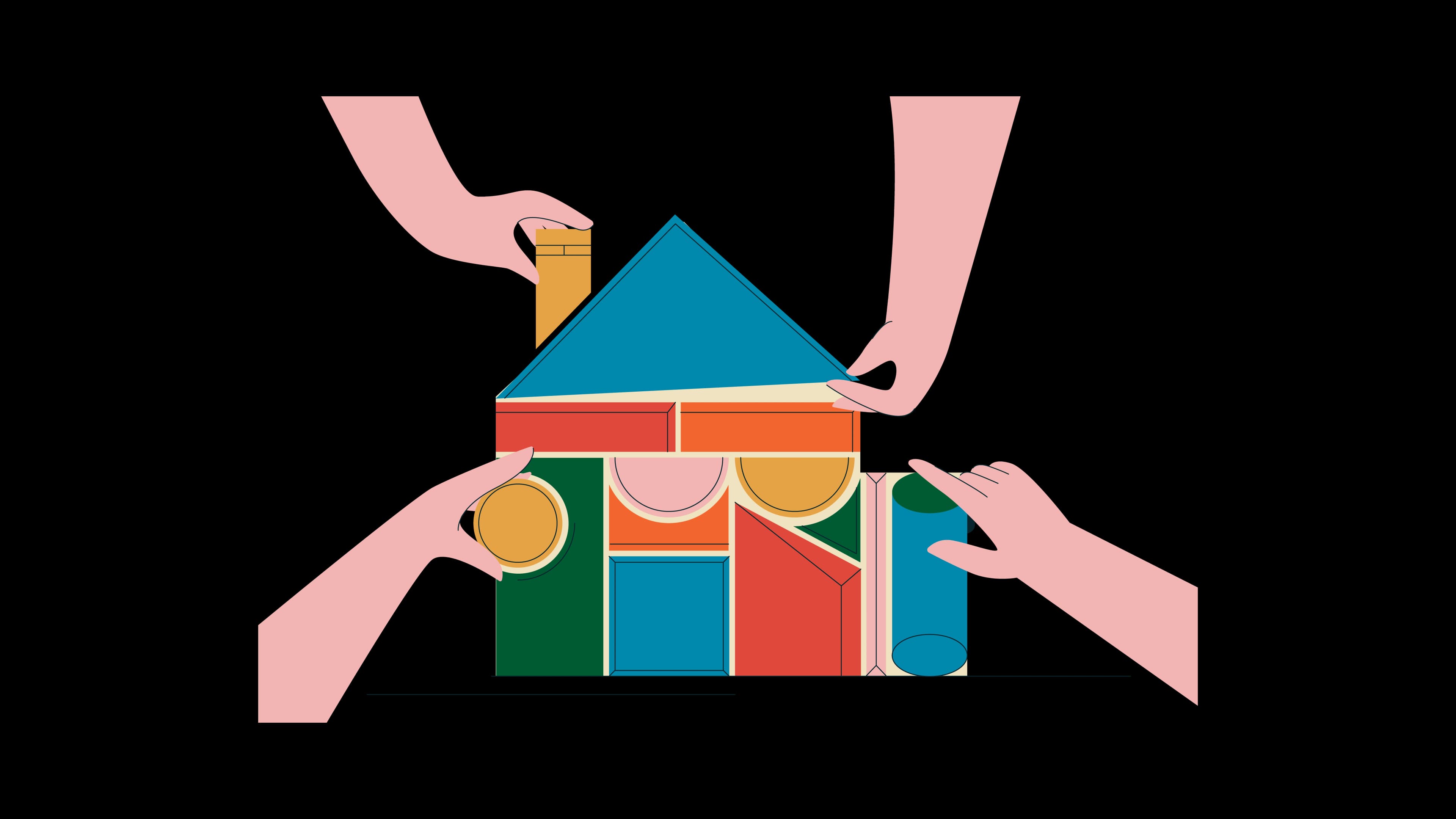
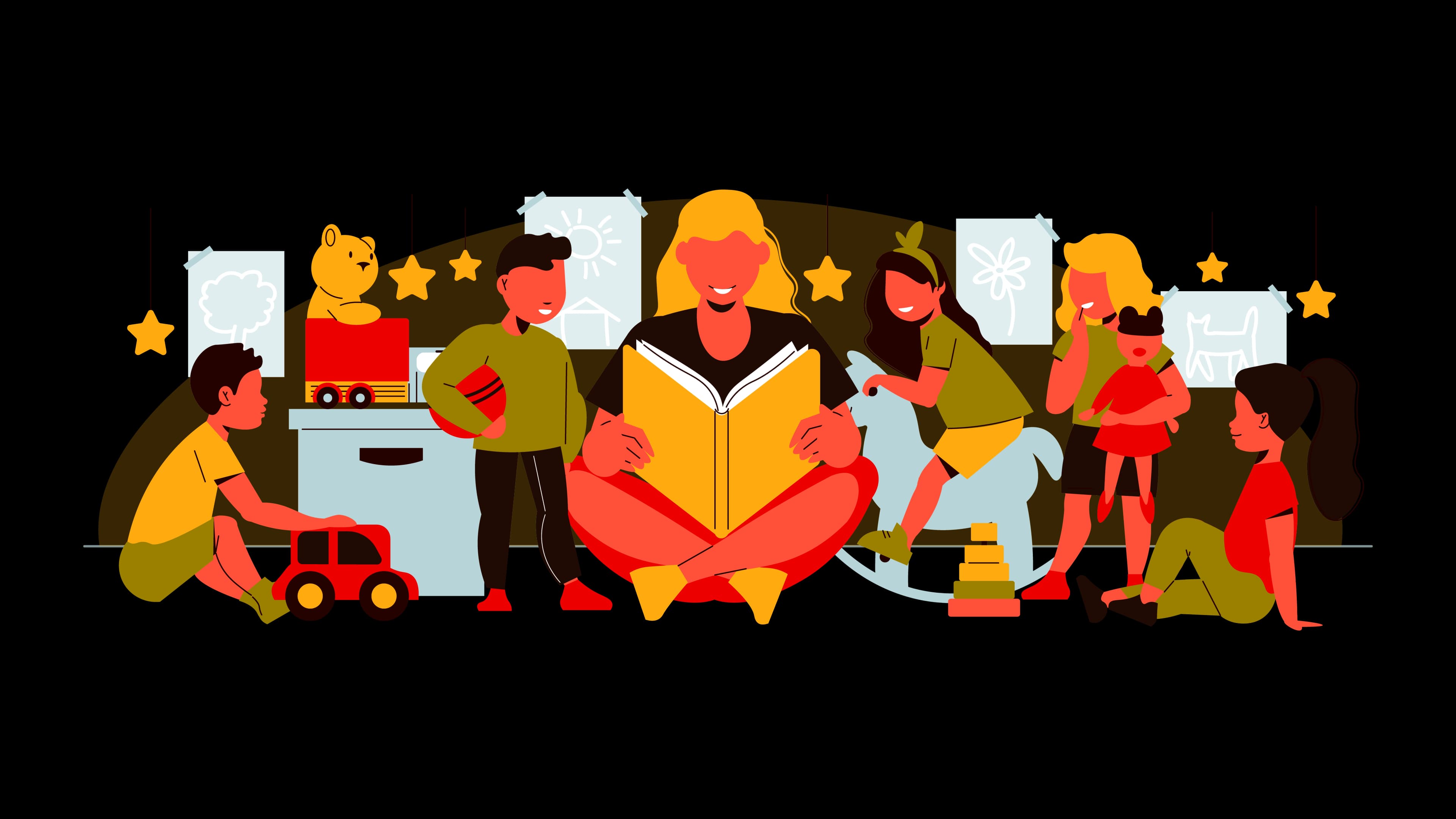
Illustration comparing preschool and daycare programs

Preschools vs Daycare & Childcare Programs

Families often compare preschools, daycare, and childcare programs when making early education decisions.
  • Daycare primarily focuses on supervision, care, and flexible schedules
  • Preschools emphasize early education, structured learning, and developmental milestones
  • Some programs combine childcare and preschool learning into a single schedule

Understanding these differences helps families choose the right early childhood education model.
Types of Preschool Programs

Preschool programs vary in teaching philosophy and learning approach. Choosing the best preschool often depends on a child’s learning style and family preferences.
Montessori preschool classroom with hands-on learning materials

Montessori Preschool Programs

Montessori preschool programs emphasize independence, hands-on learning, and child-led activities. These programs focus on practical life skills, sensory learning, and self-paced exploration.
Children engaged in play-based preschool learning activities

Play-Based Preschool Programs

Play-based preschools encourage learning through creativity, imagination, storytelling, and group play. This approach helps children develop language, social skills, and emotional awareness naturally.
Academic-focused preschool with early literacy and numeracy activities

Academic-Focused Preschool Programs

Some preschools place greater emphasis on early literacy and numeracy. These programs may include letter recognition, phonics foundations, early math concepts, and structured classroom routines.
Pre-K children building kindergarten readiness skills

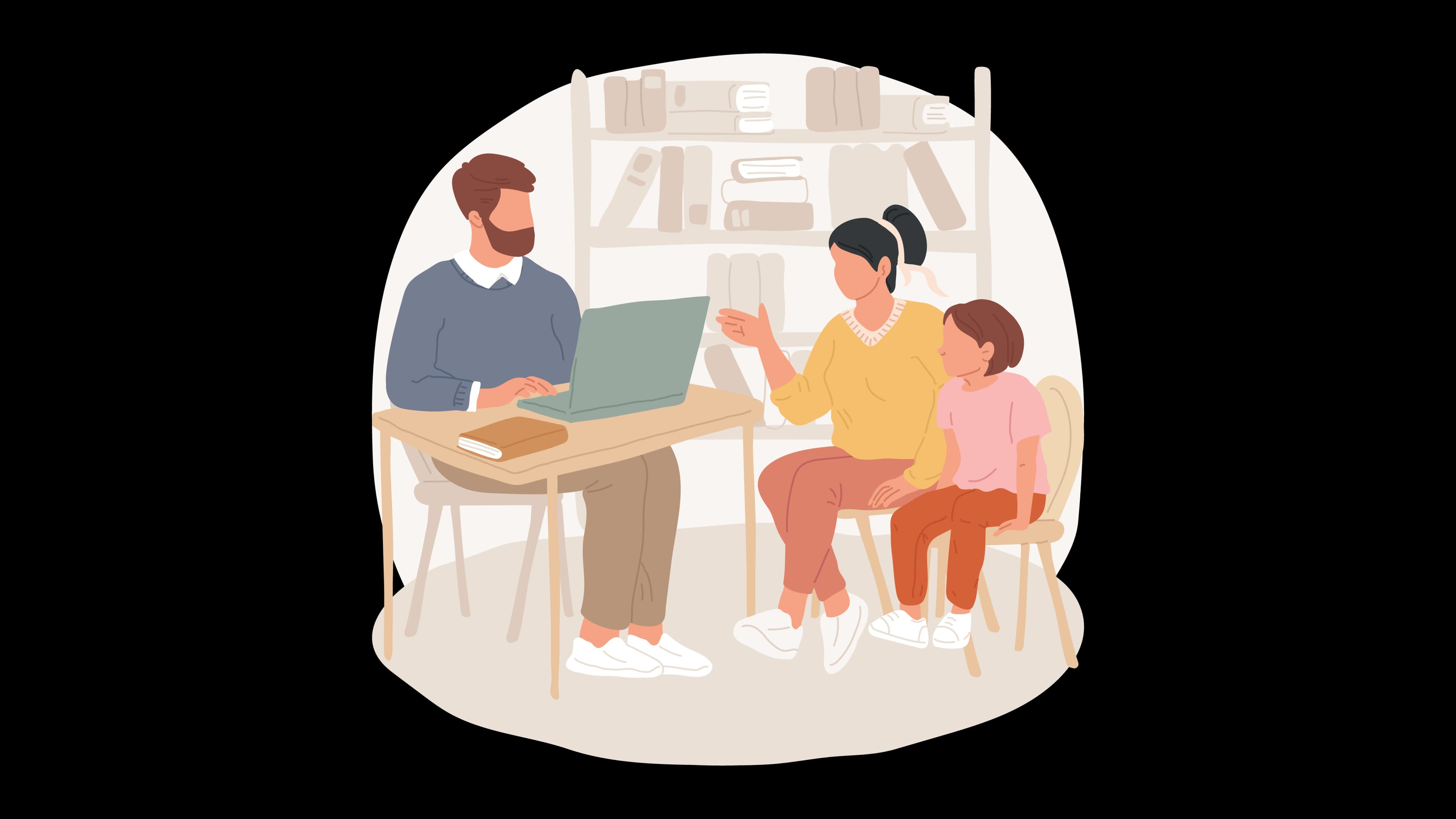
Pre-K Programs & Kindergarten Readiness

Many families look specifically for pre-K programs that support kindergarten readiness. Pre-K education focuses on structured routines, early literacy exposure, fine motor development, and classroom behavior skills.

Key kindergarten readiness skills include:
  • Following simple instructions
  • Early literacy exposure through stories and letters
  • Counting and basic problem-solving
  • Social confidence and group participation
Family considering preschool options

Choosing the Right Preschool Program

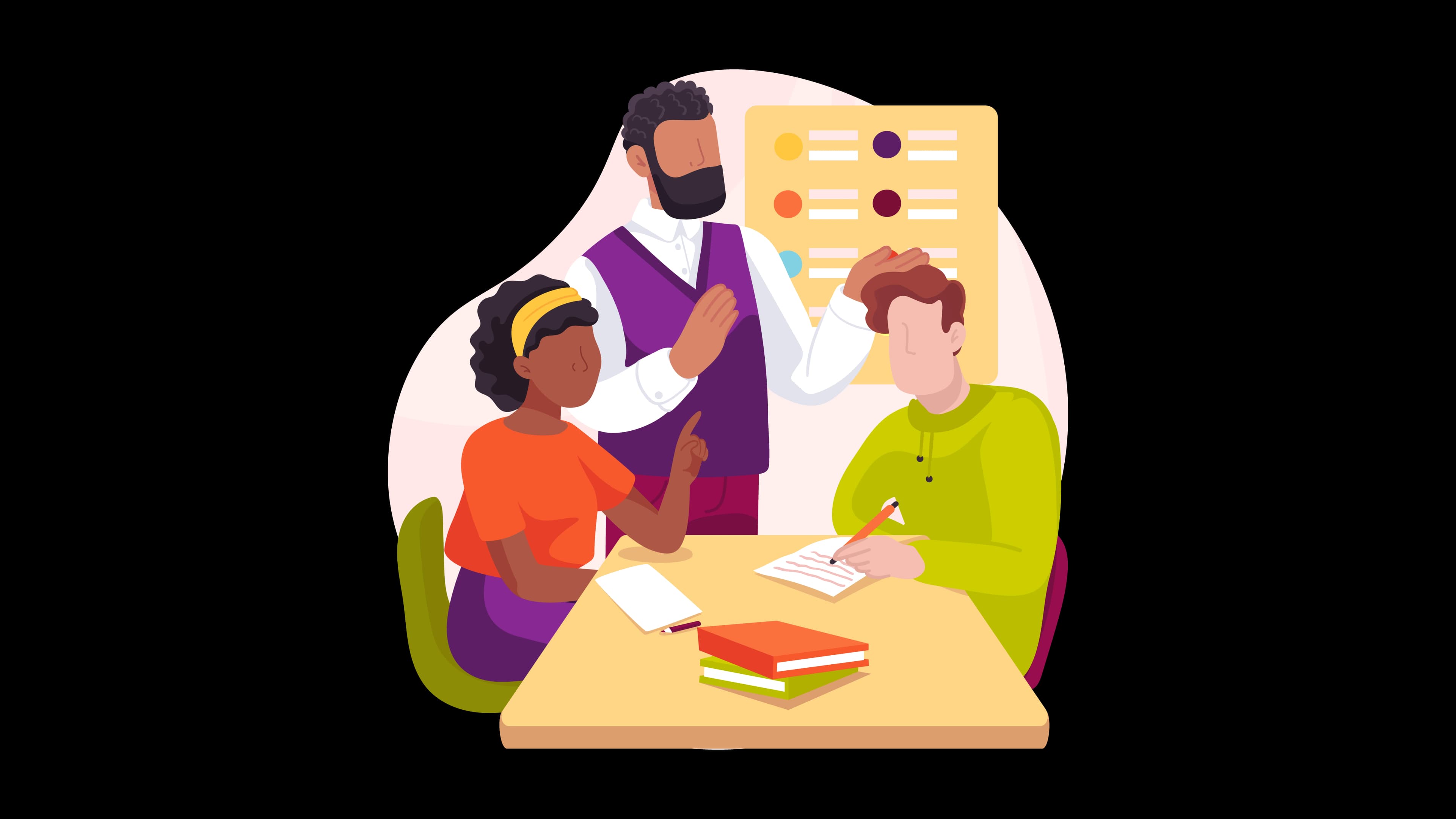
When selecting a preschool program, families should consider the learning approach, classroom environment, teacher experience, safety practices, and communication methods.

Questions to ask when evaluating preschools
  • What does a typical preschool day include?
  • How does the program support early childhood education and development?
  • How is progress shared with families?
  • What safety routines and procedures are followed?
  • How are meals, rest times, and transitions managed?
Welcoming, high-quality preschool classroom environment

What Defines a High-Quality Preschool?

The best preschools provide a nurturing environment with consistent routines, trained educators, and age-appropriate learning goals. Quality preschool education should be engaging, supportive, and confidence-building.

Signs of a strong preschool program include:

  • Structured and welcoming classrooms
  • Educators trained in early childhood education
  • Clear communication with families
  • Clean, safe, and child-friendly learning spaces

Preschool & Childcare Schedules

Preschools may offer half-day, full-day, or extended childcare schedules. Many programs integrate daycare services to support working families while maintaining consistent early learning routines.

Preschool Education & Early Childhood Development

Preschool education plays a vital role in early childhood development. Through guided instruction and play-based learning, children build strong academic and social foundations that support long-term success in school.

Preparing Children for Preschool

Families can help children prepare for preschool by introducing simple routines and encouraging independence.

Helpful preparation tips include:

  • Practicing short routines like snack time and cleanup
  • Encouraging self-help skills such as washing hands and organizing belongings
  • Talking positively about school, teachers, and making friends

Frequently Asked Questions About Preschools

Explore Preschool Programs & Early Learning Options

Preschools provide a strong foundation for early learning, child development, and kindergarten readiness. Exploring different preschool programs helps families choose the right early childhood education path—whether Montessori, play-based, academic-focused, or a blended childcare and preschool model.

ChildEra helps preschools and childcare programs stay organized.